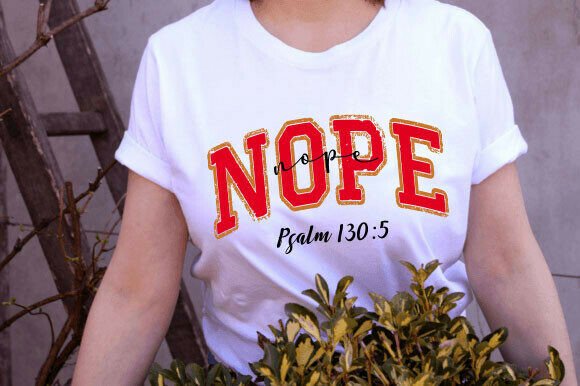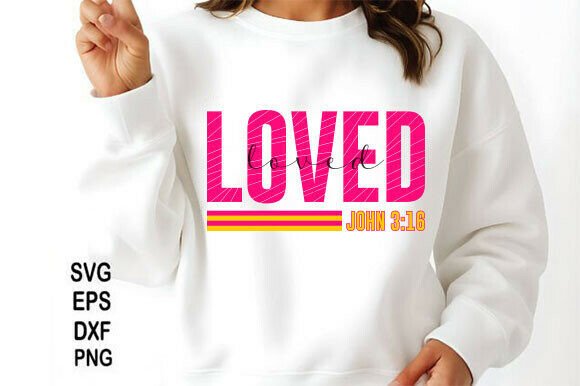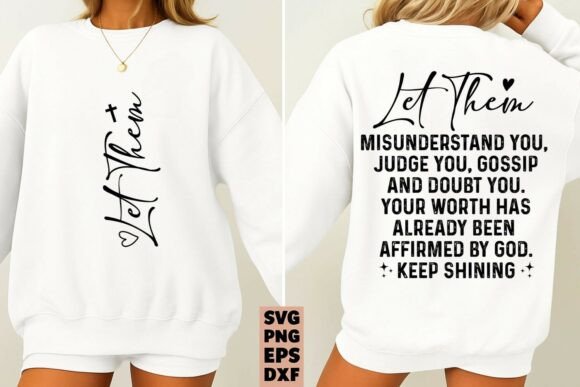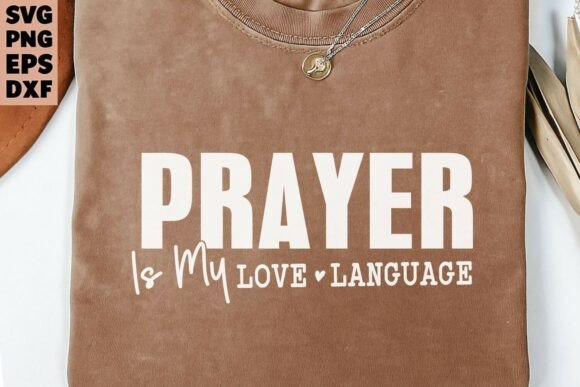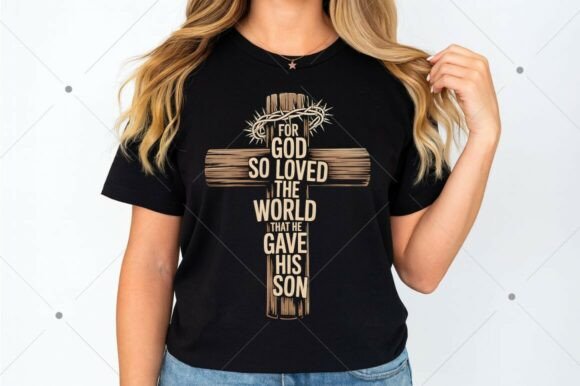
For God So Loved the World, Christian PNG
A Designer’s First Look: Quiet Reverence, Not Cluttered Devotion
When For God so Loved the World,Christian PNG opened on my screen, I didn’t see flashy fonts or overwrought borders—I saw breathing room. The composition leans into simplicity: clean lettering, likely with subtle curve or gentle serif weight, and a balanced layout that suggests reverence rather than urgency. It feels like something you’d stitch onto a linen tea towel for a new mom, not slap across a neon hoodie. That’s its strength—and its first real test. As an embroidery designer who’s stitched hundreds of faith-based motifs, I know how easily “meaningful” can tip into “muddy” under needle and thread. This design doesn’t try to shout. It invites pause. And that makes it unusually versatile—if used with intention.
Where It Shines in Real Embroidery Projects
Last week, I prepped a custom order: a 100% cotton canvas tote bag for a church nursery volunteer—soft, unbleached, slightly nubby fabric. I chose For God so Loved the World,Christian PNG as the centerpiece, centered just below the top seam. Why? Because its moderate width and open spacing translated beautifully into satin stitch lettering without crowding. No fill-heavy elements meant minimal stitch density—critical for breathable, lightweight fabric that shouldn’t feel stiff or plasticky after embroidery. The result was tactile but light, legible at arm’s length, and quietly dignified. Customers responded not just to the message, but to how *handmade* it felt—not mass-produced, not rushed.
It also performed well on a brushed-cotton baby onesie (size 3–6 months). Tiny lettering held up because the design avoids micro-details—no fine serifs, no intricate drop shadows, no interlocking letters that vanish when scaled down. On sweatshirts? Yes—but only with medium-weight fleece (not ultra-thick French terry), and always with cutaway + tear-away stabilizer combo. The design’s modest height-to-width ratio means it hoops cleanly in a standard 4x4, which matters when you’re stitching 30+ pieces for a small shop launch.
Where Caution Is Non-Negotiable
Don’t reach for For God so Loved the World,Christian PNG if your project involves stretchy jersey, thin rayon challis, or heavily textured bouclé. Without dense fill areas or heavy outlines, it relies on clean fabric support. On dark fabrics, confirm your thread colors offer enough contrast—especially if the original PNG uses subtle grayscale shading. What looks soft on screen can disappear entirely in navy or charcoal without deliberate thread selection.
Caps and curved surfaces are tricky. The design’s horizontal emphasis works best on flat or gently contoured areas—think front chest of a polo, center back of a sweatshirt, or upper corner of a pillow cover. Avoid placing it across the crown or bill curve unless you’re using a commercial cap frame and have tested stitch pull on scrap first. Also: skip it for tiny hoop sizes (under 3x3) unless you’re willing to simplify or re-digitize. Some versions of this motif include delicate cross accents or vine flourishes—those demand space. If your version does, inspect corners and terminals closely. Running stitches there may fray; satin edges may pucker on thin cotton.
What It Adds—Beyond the Message
- Visual appeal: Its restraint makes it feel curated, not generic—ideal for boutique branding or Etsy listings where buyers scroll past noise.
- Stitching clarity: Moderate stitch count and open letter spacing reduce skipped stitches and thread breaks on mid-tier home machines.
- Product value: Feels elevated next to cartoonish or overly ornate alternatives—customers pay more for “thoughtful,” not “busy.”
- Customer trust: When stitched cleanly, it signals care in execution—a quiet cue that the maker understands both craft and context.
- Giftability: Works across ages and occasions: baby blankets, wedding guest favors, hospice care packages, holiday kitchen sets. It’s warm, not prescriptive.
Practical Notes Every Embroiderer Should Run Through
Before stitching your first piece—or listing it as a digital embroidery file on Etsy—do these five things:
- Test on scrap fabric that matches your final product’s weight, weave, and stretch. Note how letter edges behave on seam allowances or bias cuts.
- Check thread color contrast in natural light—not just screen light. Try matte black and creamy ecru on both light and dark backgrounds.
- Review stitch density in your embroidery software. If fill areas exceed 18–22 stitches/mm², consider reducing density for apparel or baby items.
- Confirm hoop size compatibility. If your version includes optional flourishes or alternate layouts, verify each fits your most-used hoop before digitizing or purchasing.
- Inspect small details at 200% zoom: Are terminals sharp or frayed-looking? Do any letters risk merging at smaller sizes? Does the design include vector-ready outlines for applique adaptation?
And one non-negotiable: always verify licensing terms. Since this is categorized under T-Shirt Designs, double-check whether the license permits commercial embroidery use on physical goods—or if it’s limited to personal use or digital resale. Many Christian PNGs carry restrictive clauses around resale of finished embroidered products. When in doubt, contact the seller directly. A clear license protects your craft business, your reputation, and your peace of mind.
Final Thought: It’s Not Just a Design—It’s a Delivery Vehicle
For God so Loved the World,Christian PNG succeeds because it understands its role: it’s not the star of the show—it’s the quiet, steady voice that lets the wearer, the gift recipient, or the boutique customer lean in and feel seen. In embroidery, that kind of emotional resonance comes from clarity of form, respect for material, and restraint in execution. Use it on a tea towel, and it becomes part of daily ritual. Stitch it on a baby blanket, and it becomes a whispered promise. Print it as a mockup for your Etsy listing, and it tells buyers you value meaning *and* craftsmanship.
That’s rare. And worth choosing—intentionally.